Understanding Ayurvedic Formulation Intelligence
Modern wellness brands face a challenge: consumers want "natural" and "effective," but they're skeptical of anything that sounds too mystical. Ayurvedic formulations solve this by bridging rigorous traditional science with contemporary research validation.
The Three Pillars of Ayurvedic Formulation
1. Dosha-Based Intelligence
Unlike one-size-fits-all approaches, Ayurvedic formulations account for constitutional differences. The three doshas—Vata, Pitta, Kapha—represent energetic patterns that determine how individuals respond to substances.
For B2B buyers, this means:
- Products can be positioned for specific customer needs (calming vs. energizing)
- Formulation ratios are intentional, not arbitrary
- Your brand can offer targeted solutions rather than generic wellness
2. Synergistic Herb Combinations (Yogavahi)
Ayurveda developed the concept of "carrier herbs" centuries before modern science understood bioavailability. Certain herbs enhance absorption and efficacy of others.
Real example: Black pepper (Piper nigrum) increases curcumin absorption by 2000%. This isn't folk wisdom—it's documented science that Ayurveda systematized long ago.
For your product line: Formulations aren't just ingredient lists; they're orchestrated combinations where each element serves a purpose.
3. Rasa and Virya (Taste and Potency)
Ayurvedic science categorizes herbs by six tastes and their heating/cooling effects. This creates predictable, replicable results.
How Traditional Wisdom Meets GMP Certification
Quality Standards in Modern Ayurvedic Manufacturing:
Ingredient Authentication
- Botanical verification using modern taxonomy
- Phytochemical analysis to confirm active compounds
- Heavy metal testing (lead, arsenic, mercury)
- Microbial contamination screening
Standardization Without Losing Integrity
Unlike pharmaceutical extraction that isolates single compounds, authentic Ayurvedic products maintain whole-herb synergy while ensuring consistent potency.
Documentation Your Customers Trust
- Certificate of Analysis (CoA) for every batch
- GMP certification from recognized bodies
- Traceability from farm to finished product
- Stability testing data
The Business Case for Ayurvedic Intelligence
Consumer Trust Factor
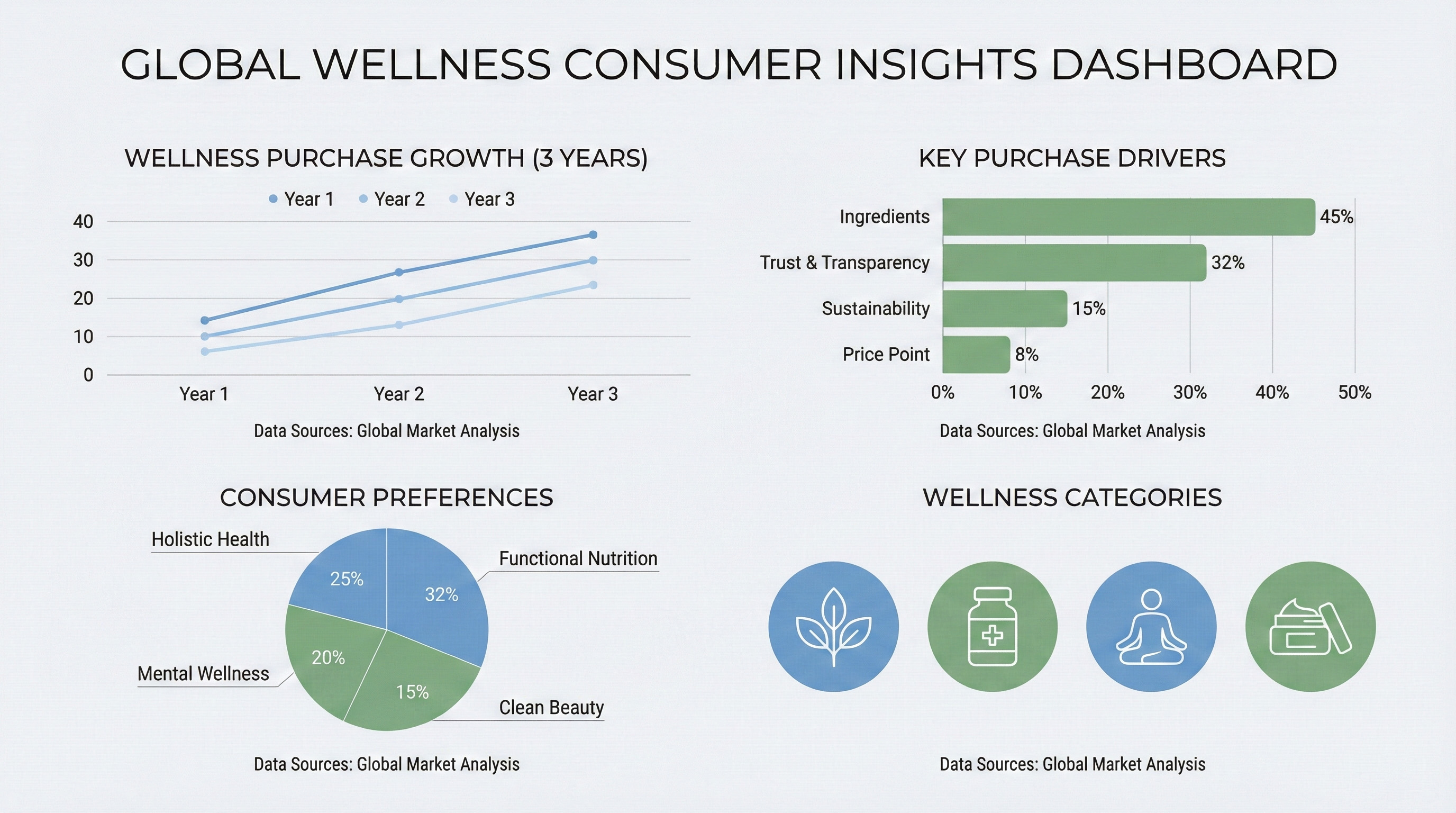
58% of decision-makers choose businesses based on thought leadership content Inblog. When you can explain why your Ayurvedic products work—not just that they're "natural"—you build credibility.
Market Differentiation
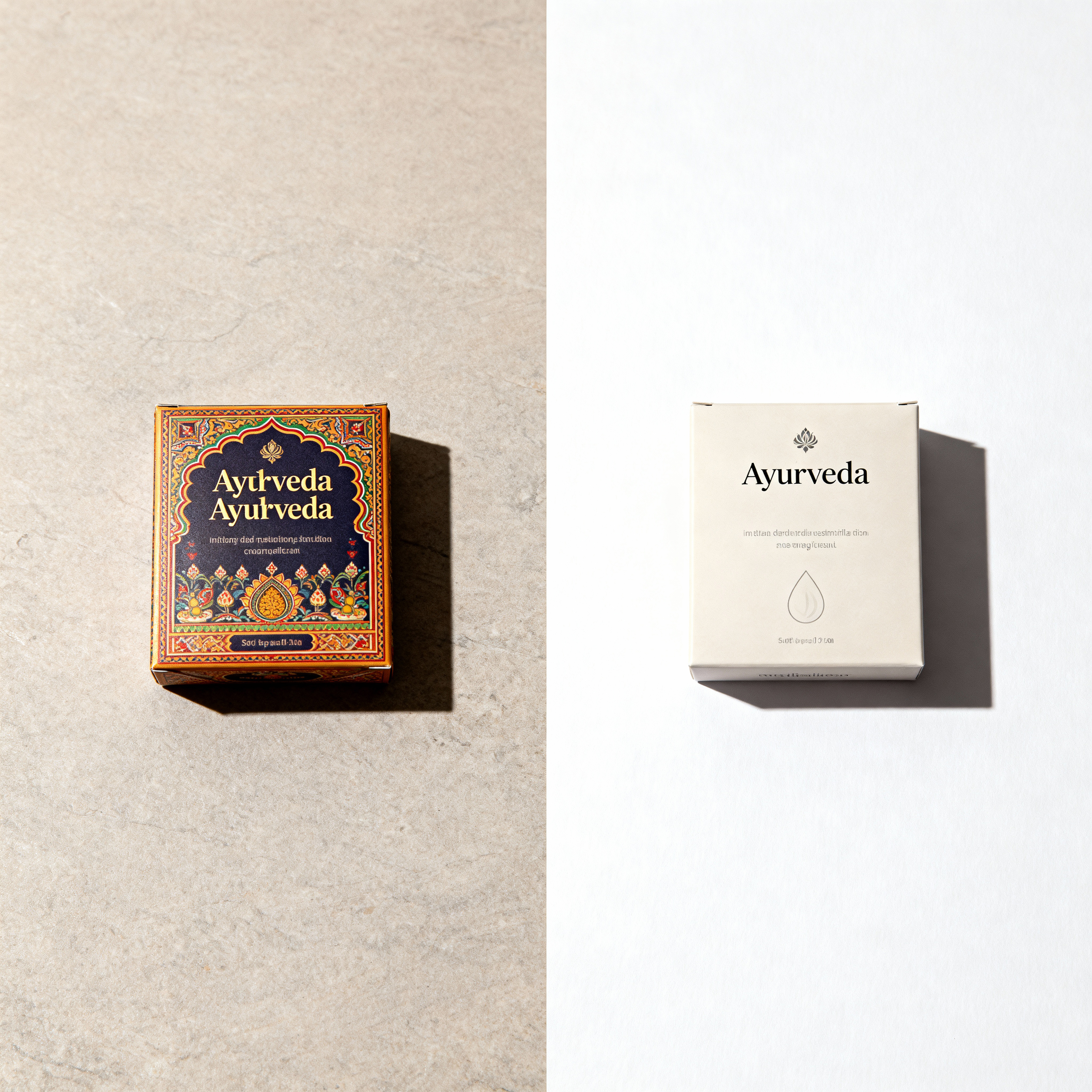
The wellness market is crowded with generic "herbal supplements." Ayurvedic formulations offer narrative depth: each product tells a story of intentional design backed by millennia of systematic testing.
Regulatory Confidence
Properly formulated Ayurvedic products meet international safety standards while maintaining traditional integrity. This means smoother import processes and fewer regulatory headaches.
Key Ayurvedic Ingredients Backed by Modern Research
Ashwagandha (Withania somnifera)
- Traditional use: Stress adaptation, vitality
- Modern validation: Clinical trials show cortisol reduction, improved sleep quality
- B2B positioning: "Clinically studied adaptogen rooted in 3,000 years of use"
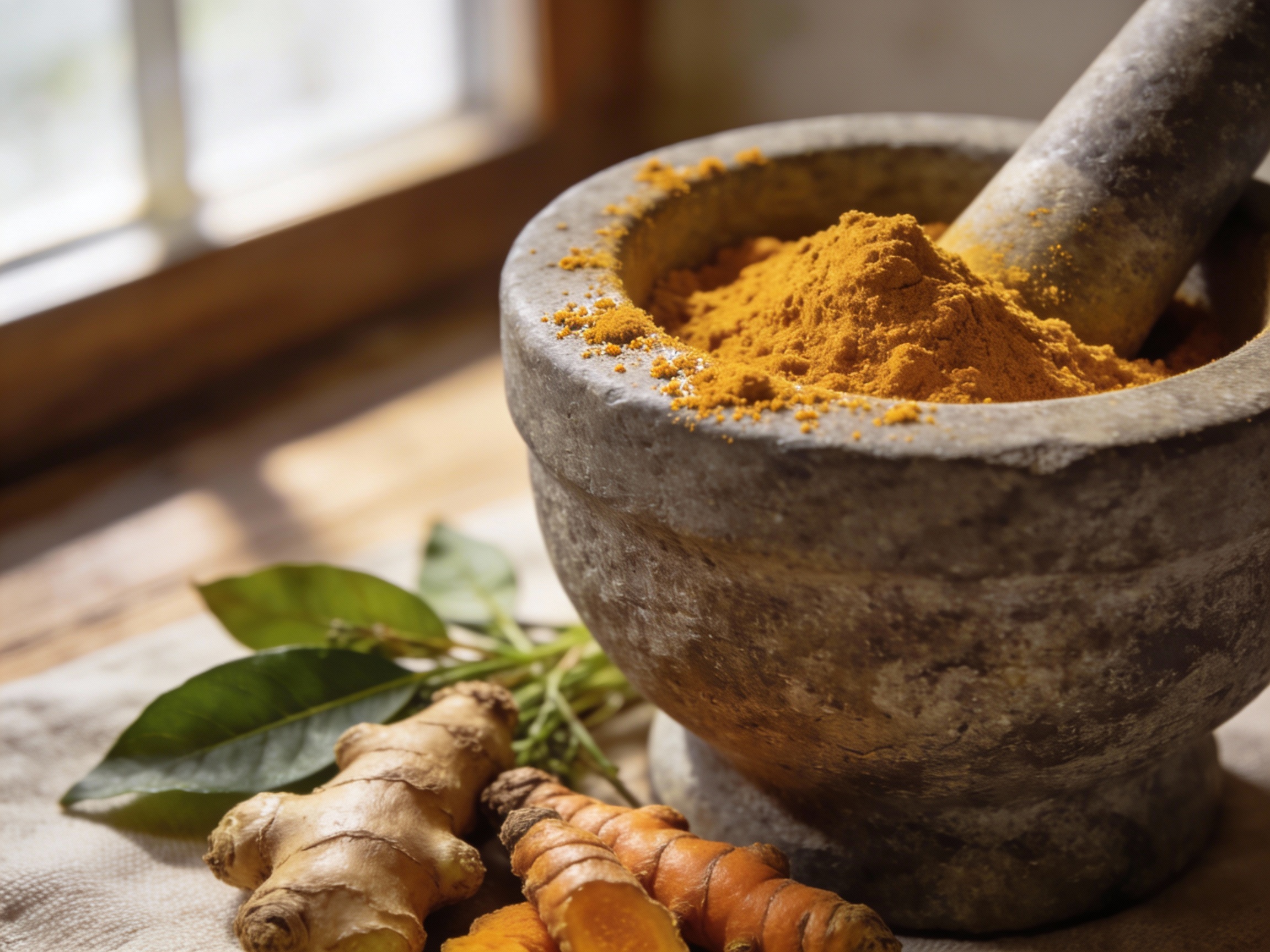
Turmeric (Curcuma longa)
- Traditional use: Anti-inflammatory, digestive support
- Modern validation: 10,000+ published studies on curcumin
- B2B positioning: "The most researched botanical in modern science"
Tulsi/Holy Basil (Ocimum sanctum)
- Traditional use: Respiratory health, mental clarity
- Modern validation: Studies confirm adaptogenic and antimicrobial properties
- B2B positioning: "Sacred herb meets scientific validation"
Questions B2B Buyers Should Ask
About Sourcing:
- Where are herbs grown? (Organic vs. conventional)
- How are they harvested? (Sustainable practices)
- What quality controls exist at origin?
About Formulation:
- Are combinations based on traditional texts or modern experimentation?
- What's the ratio of ingredients and why?
- How is potency standardized?
About Testing:
- What third-party testing is performed?
- Can you access Certificates of Analysis?
- How is batch-to-batch consistency ensured?
Moving Forward: Ayurveda as Competitive Advantage
For wellness brands entering or expanding in this space, Ayurvedic intelligence isn't just a product feature—it's a positioning strategy. You're not selling supplements; you're offering systematized wisdom that's been refined over 5,000 years and validated by modern science.
The brands that succeed will:
- Educate rather than mystify
- Provide transparent sourcing information
- Bridge traditional knowledge with contemporary research
- Position Ayurveda as sophisticated science, not spiritual bypass