THE GLOBAL WELLNESS MARKET IN 2025: DATA-DRIVEN OPPORTUNITIES FOR AYURVEDIC PRODUCTS
Market Size & Growth Trajectory
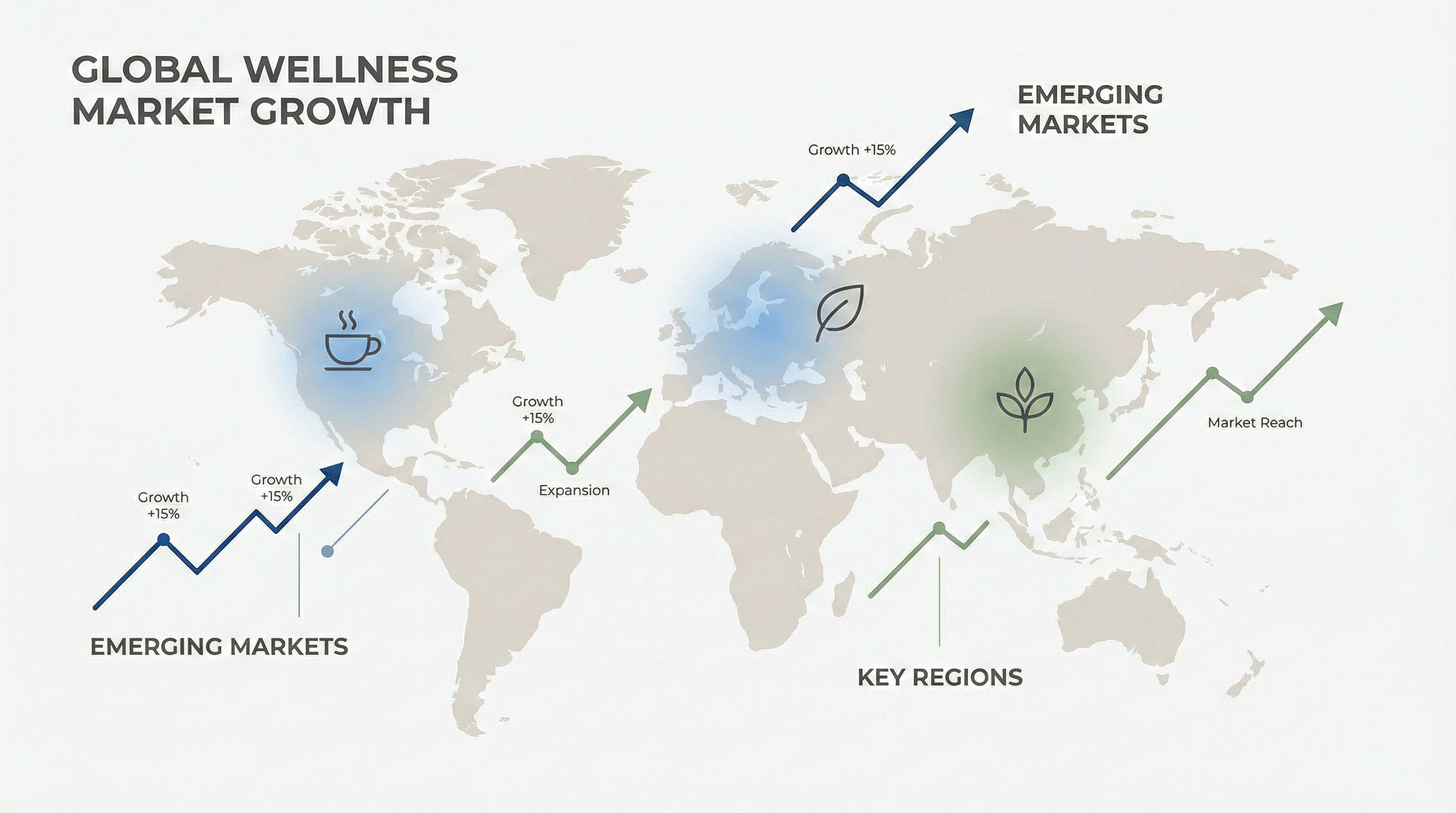
The global wellness economy is experiencing sustained growth driven by fundamental shifts in consumer priorities post-pandemic.
Global Wellness Economy: $6.3 trillion (2023) → $7+ trillion projected (2025)
Annual Growth Rate: 8-10% (significantly above general economy)
Ayurvedic Market Specifically: $9.8 billion (2023) → $14.9 billion projected (2028)
CAGR for Ayurvedic products: 8.7%
These aren't speculative numbers—they represent measurable consumer behavior shifts toward preventive health, natural ingredients, and holistic wellness approaches.
WHY AYURVEDIC PRODUCTS ARE GAINING MARKET SHARE
The Convergence of Multiple Trends:
1. Clean Label Movement
Consumers increasingly scrutinize ingredient lists, avoiding synthetics and seeking transparency
Ayurvedic Advantage:
- Naturally plant-based
- Minimal processing
- Traceable ingredient heritage
- No synthetic additives when authentically formulated
2. Preventive Health Mindset
Shift from reactive medicine to proactive wellness maintenance
Ayurvedic Advantage:
- Built on prevention philosophy (5,000 years)
- Addresses root causes, not just symptoms
- Aligns with modern "wellness as lifestyle" approach
- Supports long-term vitality vs. quick fixes
3. Mental Health & Stress Management
$121 billion mental wellness market growing 9.9% annually
Ayurvedic Advantage:
- Adaptogenic herbs (ashwagandha, tulsi, brahmi)
- Mind-body integration inherent to system
- Stress management without pharmaceutical approach
- Aligns with mindfulness/meditation trends
4. Sustainability & Ethical Sourcing
Consumers reward brands with transparent, responsible supply chains
Ayurvedic Advantage:
- Traditional sustainable farming practices
- Direct farmer relationships common
- Lower carbon footprint (minimal processing)
- Cultural authenticity adds value
5. Personalization Trend
Consumers want solutions tailored to their specific needs
Ayurvedic Advantage:
- Dosha-based customization framework
- Constitutional approach vs. one-size-fits-all
- Allows brands to offer targeted product lines
- Provides educational differentiation
GEOGRAPHIC OPPORTUNITIES: WHERE TO FOCUS
North America: Fastest Growing Market
Market Size: $2.1 billion (Ayurvedic products, 2024)
Growth Rate: 10.2% annually
Key Drivers:
- Large health-conscious consumer base
- High disposable income
- Established natural products retail infrastructure
- Dietary supplement pathway relatively accessible
Product Categories Showing Strongest Growth:
→ Adaptogens & stress support (23% CAGR)
→ Digestive wellness (18% CAGR)
→ Sleep support formulations (21% CAGR)
→ Beauty/skincare with Ayurvedic ingredients (19% CAGR)
Consumer Demographics:
- Primary: Women 25-45, urban, college-educated
- Secondary: Men 30-50 interested in performance/longevity
- Emerging: Gen Z (18-24) seeking natural alternatives
Retail Channels:
- Specialty natural products stores: 35%
- E-commerce: 32%
- Mainstream grocery/pharmacy: 18%
- Direct-to-consumer brands: 15%
Opportunity for B2B Buyers:
High willingness to pay premium for quality and transparency
Fastest approval/import pathway (dietary supplement)
Established distribution networks
Consumer education already underway
Europe: Maturing Market with Premium Positioning
Market Size: $1.8 billion (2024)
Growth Rate: 7.5% annually
Key Drivers:
- Strong tradition of herbal medicine acceptance
- Regulatory framework supporting traditional herbs
- Sustainability-conscious consumers
- Growing Indian diaspora influencing mainstream
Geographic Variation Within EU:
- UK, Germany, Netherlands: Most developed markets
- France, Spain, Italy: Emerging interest
- Scandinavian countries: Premium positioning successful
- Eastern Europe: Early stage but growing
Product Categories Performing Well:
→ Herbal teas & infusions (22% market share)
→ Skincare with traditional ingredients (19% market share)
→ Wellness supplements (31% market share)
→ Aromatherapy & home wellness (12% market share)
Consumer Expectations:
- Stringent quality/safety documentation required
- Organic certification highly valued
- Fair trade / ethical sourcing increasingly important
- Detailed ingredient education expected
Opportunity for B2B Buyers:
Premium price points accepted for quality
Strong repeat purchase behavior
Brand loyalty once trust established
Growing mainstream acceptance
Asia-Pacific: Heritage Meets Modern Wellness
Market Size: $4.2 billion (2024)
Growth Rate: 9.1% annually
Key Markets:
India (Domestic):
- $3.1 billion market
- Growing middle class embracing premium Ayurveda
- Shift from commodity to branded products
- Export-quality products gaining domestic traction
Australia:
- $280 million market
- Highly regulated but strong consumer demand
- TGA compliance creates quality perception
- Premium positioning successful
Japan:
- $190 million market
- Interest in holistic Eastern medicine systems
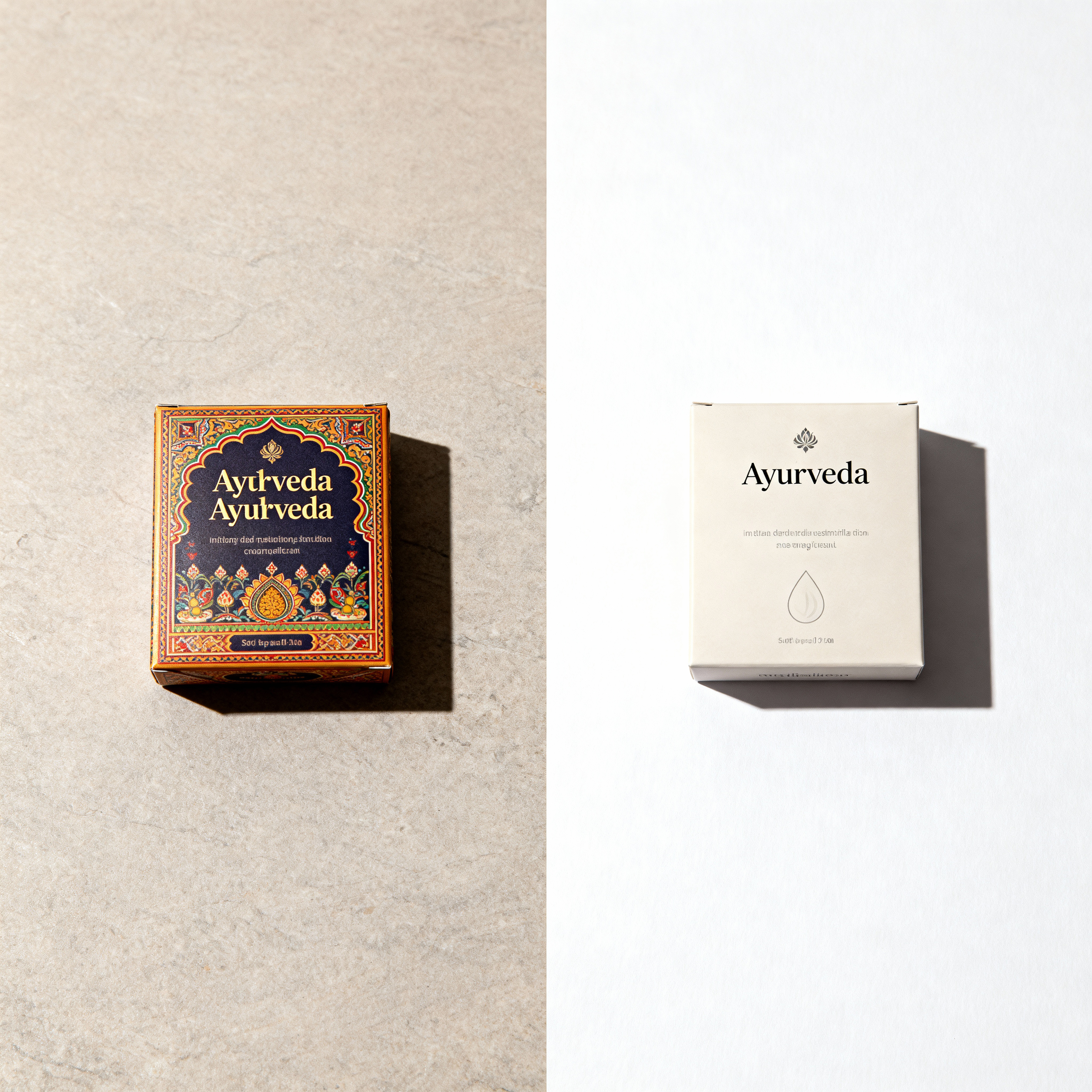
- Premium, minimalist packaging resonates
- Focus on single-ingredient purity
Southeast Asia:
- $420 million combined market
- Singapore, Malaysia leading adoption
- Medical tourism driving awareness
- Growing export base
Opportunity for B2B Buyers:
Australia offers developed market with English-language advantage
Japan commands highest price premiums globally
India domestic market growing for international-quality products
Southeast Asia hub for regional distribution
Middle East: Emerging High-Value Market
Market Size: $340 million (2024)
Growth Rate: 12.3% annually (fastest regional growth)
Key Markets:
- UAE: Regional hub, high disposable income
- Saudi Arabia: Growing wellness consciousness
- Qatar, Kuwait: Premium positioning successful
Drivers:
- Wellness tourism infrastructure
- High net worth population
- Cultural affinity for natural/traditional medicine
- Government support for wellness sector
Product Preferences:
→ Premium personal care (40% of market)
→ Stress & sleep support (28%)
→ Immunity & vitality (22%)
→ Beauty from within (10%)
Unique Considerations:
- Halal certification advantageous
- Arabic labeling often required
- Premium packaging essential
- In-person relationships important for B2B
Opportunity for B2B Buyers:
Highest price premiums globally
Less competitive than Western markets
Strong growth trajectory
Hospitality/spa sector major buyer
PRODUCT CATEGORY OPPORTUNITIES
Based on growth rates and market demand:
1. Adaptogens & Stress Support
Market Size: $1.2 billion (Ayurvedic segment)
Growth: 21% CAGR
Star Ingredients:
- Ashwagandha (by far the leader)
- Tulsi / Holy Basil
- Brahmi / Bacopa
- Shatavari
Consumer Need: Work-life balance, burnout prevention, anxiety management without pharmaceuticals
B2B Opportunity: Highest consumer awareness, proven efficacy research, premium pricing accepted
2. Sleep & Relaxation
Market Size: $780 million
Growth: 19% CAGR
Star Ingredients:
- Ashwagandha (again—versatile)
- Chamomile + Ayurvedic blends
- Valerian + traditional herbs
- Jatamansi
Consumer Need: Non-habit-forming sleep support, evening wind-down rituals
B2B Opportunity: Subscription model potential, high repeat purchase, expanding beyond melatonin
3. Digestive Wellness
Market Size: $890 million
Growth: 16% CAGR
Star Ingredients:
- Triphala (three-fruit blend)
- Ginger & turmeric combinations
- Fennel, cumin, coriander (digestive spices)
- CCF tea (cumin-coriander-fennel)
Consumer Need: Gut health, bloating relief, regularity, food sensitivities
B2B Opportunity: Daily use = steady reorders, pairs with broader gut health trend
4. Immunity & Vitality
Market Size: $1.1 billion
Growth: 14% CAGR
Star Ingredients:
- Turmeric / Curcumin
- Tulsi / Holy Basil
- Amla (Indian gooseberry)
- Chyawanprash-inspired blends
Consumer Need: Year-round immune support, energy without stimulants
B2B Opportunity: Post-pandemic sustained interest, "always relevant" positioning
5. Beauty & Skin Wellness
Market Size: $940 million (ingestible + topical Ayurvedic)
Growth: 18% CAGR
Star Ingredients:
- Turmeric (topical & internal)
- Neem
- Shatavari (beauty from within)
- Manjistha (skin clarity)
Consumer Need: Clean beauty, inside-out approach, anti-inflammatory skin support
B2B Opportunity: Premium pricing, influencer-friendly, social media visual appeal
CONSUMER BEHAVIOR INSIGHTS
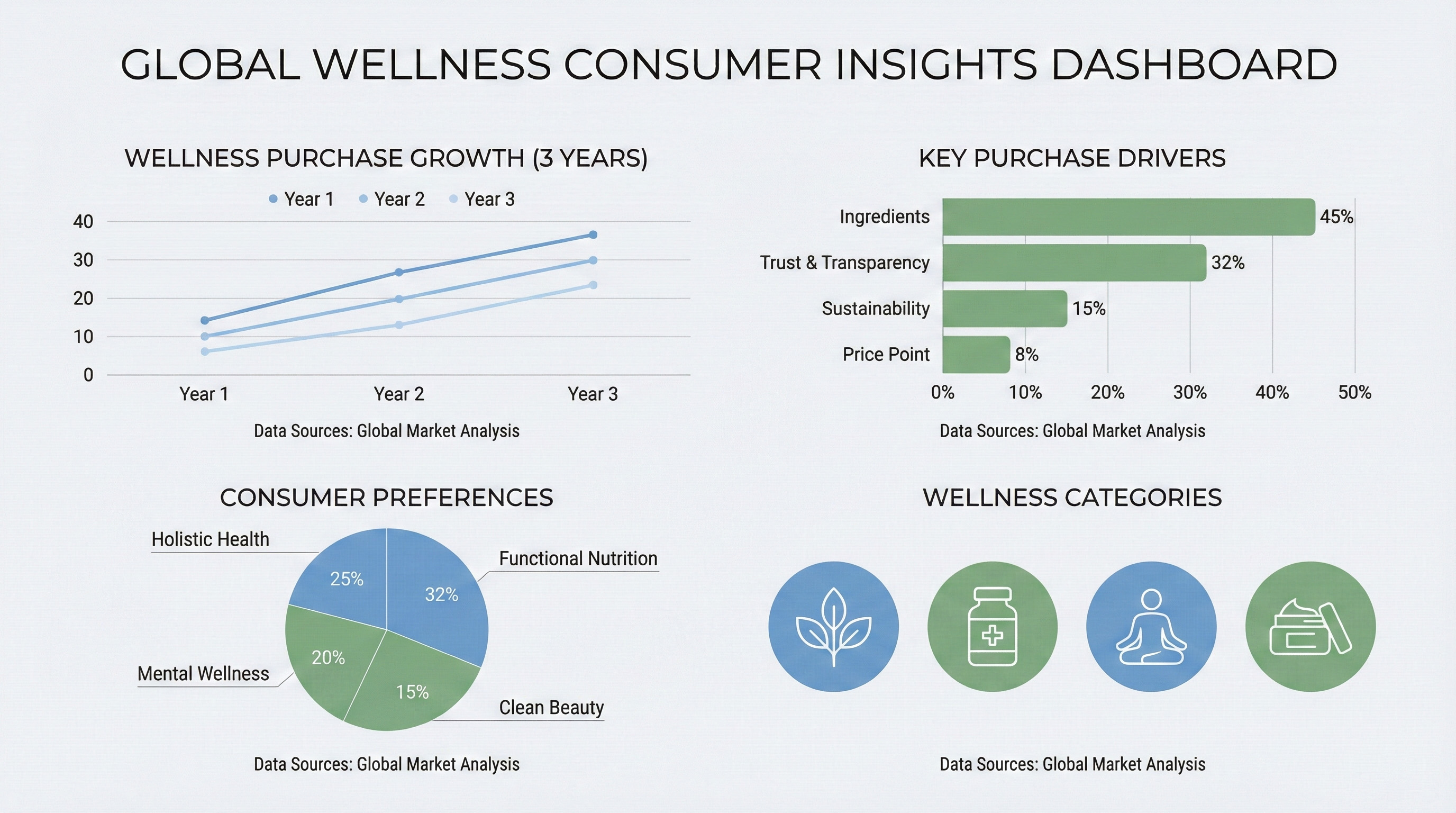
What Modern Wellness Consumers Actually Want:
Transparency (89% consider important)
- Full ingredient disclosure
- Sourcing information
- Third-party testing verification
- Manufacturing process clarity
Brands winning: Those sharing supply chain stories, farmer partnerships, testing results
Sustainability (73% willing to pay premium)
- Eco-friendly packaging
- Carbon-neutral shipping
- Ethical labor practices
- Regenerative farming support
Brands winning: Those making sustainability core to identity, not marketing add-on
Education (68% research before purchase)
- Ingredient function explained
- Traditional use context
- Modern science validation
- How-to-use guidance
Brands winning: Content-rich brands teaching customers, not just selling products
Efficacy Evidence (81% want proof)
- Clinical studies (even if small)
- Customer testimonials
- Before/after (where appropriate)
- Transparent about timelines
Brands winning: Those balancing traditional wisdom with modern research
Personalization (64% prefer targeted solutions)
- Products for specific needs
- Constitutional recommendations
- Lifestyle integration
- Not generic "wellness"
Brands winning: Those using Ayurvedic framework to offer targeted lines
COMPETITIVE LANDSCAPE
Who's Winning in Ayurvedic Wellness:
Emerging Brand Archetypes:
1. Heritage-Modern Hybrids
- Root in Ayurvedic authenticity
- Package for contemporary aesthetics
- Bridge traditional & scientific language
- Premium positioning ($30-60 price points)
Examples of approach: Minimalist packaging, educational content, clinical backing
2. Ingredient-Focused Specialists
- Deep expertise in specific herbs (e.g., "The Ashwagandha Company")
- Transparent sourcing storytelling
- Multiple formats (capsules, powders, teas)
- Mid-premium pricing ($20-45)
3. Lifestyle Integration Brands
- Ayurveda as part of broader wellness ritual
- Beautiful packaging for shelf appeal
- Strong community/content presence
- Premium pricing ($35-75)
4. Professional/Practitioner Brands
- Clinical-grade quality
- Sold through practitioners
- Extensive educational support
- Highest pricing ($50-120)
White Space Opportunities:
→ Men's Ayurvedic wellness (underserved)
→ Performance & fitness integration (athletic market)
→ Office/workplace wellness (corporate gifting)
→ Teen/young adult stress support (emerging)
→ Postpartum & women's hormonal health (growing awareness)
→ Senior vitality & aging well (demographic wave)
THREATS & CHALLENGES
Realistic Obstacles to Consider:
Regulatory Tightening
Some jurisdictions increasing scrutiny of herbal products
Novel food authorizations creating barriers
Health claim substantiation requirements rising
Mitigation: Work with compliance-savvy suppliers, conservative claims, proper documentation
Market Saturation (specific categories)
Turmeric and ashwagandha becoming commodity
Price compression on common ingredients
Differentiation harder for generic offerings
Mitigation: Focus on unique blends, superior sourcing story, targeted positioning
Quality Concerns
Industry-wide adulteration issues
Heavy metal contamination stories damage category
Lack of standardization creating consumer confusion
Mitigation: Over-invest in testing, transparency as differentiator, third-party verification
Cultural Appropriation Concerns
Increasing sensitivity around traditional knowledge
Importance of respectful representation
Need for authentic partnerships
Mitigation: Honor traditional roots, partner with authentic sources, educate respectfully
STRATEGIC RECOMMENDATIONS FOR B2B BUYERS
Based on Market Intelligence:
If You're Entering the Market:
Start with North America
- Fastest ROI
- Clearest regulatory path
- Established retail infrastructure
- Proven consumer demand
Focus on Proven Categories
- Stress/adaptogen products
- Sleep support
- Digestive wellness
Choose ingredients with existing consumer awareness
Invest in Education
- Content marketing budget = product budget
- Teach, don't just sell
- Build authority, not just transactions
Prioritize Quality Over Price
- Race to bottom loses long-term
- Premium positioning more sustainable
- Quality issues permanently damage brand
Build for Subscriptions
- Design products for daily use
- Price for recurring revenue
- Focus on loyalty, not one-time sales
If You're Scaling Existing Business:
Geographic Expansion Strategy:
1. Master North America → 2. Add UK/Australia → 3. Enter EU → 4. Explore Middle East/Asia
Product Line Extension:
- Add complementary products to existing hero SKU
- Think "morning routine" or "evening ritual" bundles
- Stay within core expertise
Custom Formulation Transition:
- Once proven market demand, develop proprietary blends
- Protect margins with IP ownership
- Build moat against competitors
B2B Wholesale Channels:
- Spas, wellness studios, yoga centers
- Corporate wellness programs
- Subscription box partnerships
- Influencer collaborations
WHAT SUCCESS LOOKS LIKE: METRICS TO TRACK
For B2B Buyers Evaluating Suppliers:
Supplier Performance Indicators:
□ On-time delivery rate (target: 95%+)
□ Quality consistency (CoA results batch-to-batch)
□ Communication responsiveness (<24hr)
□ Documentation accuracy (no customs delays)
□ Flexibility for growing orders
For Wellness Brands Tracking Market Traction:
Product Performance Metrics:
□ Customer acquisition cost
□ Repeat purchase rate (target: 40%+ within 90 days)
□ Average order value
□ Customer lifetime value
□ Net Promoter Score
Market Position Indicators:
□ Retail placement expansion
□ Press mentions & features
□ Influencer partnerships secured
□ Email list growth rate
□ Social media engagement rate
THE BOTTOM LINE
The global wellness market isn't just growing—it's fundamentally shifting toward natural, preventive, holistic approaches. Ayurvedic products sit at the perfect intersection of these trends.
For B2B buyers and wellness brands:
The Opportunity is Real:
✓ Sustained double-digit growth
✓ Premium pricing accepted for quality
✓ Multiple geographic markets expanding simultaneously
✓ Consumer education creating category awareness
The Competition is Increasing:
✓ More brands entering space
✓ Differentiation becoming critical
✓ Quality as competitive moat
✓ Authentic positioning essential
The Winners Will Be:
✓ Those who educate, not just sell
✓ Brands that invest in quality and transparency
✓ Companies building long-term customer relationships
✓ Partners who treat Ayurveda with respect and authenticity
The market is ready. The question is: are you positioned to capture your share?
[Download: 2025 Ayurvedic Market Opportunity Report] ← CTA